
What is a dire wolf? How formerly extinct species compares to gray wolves
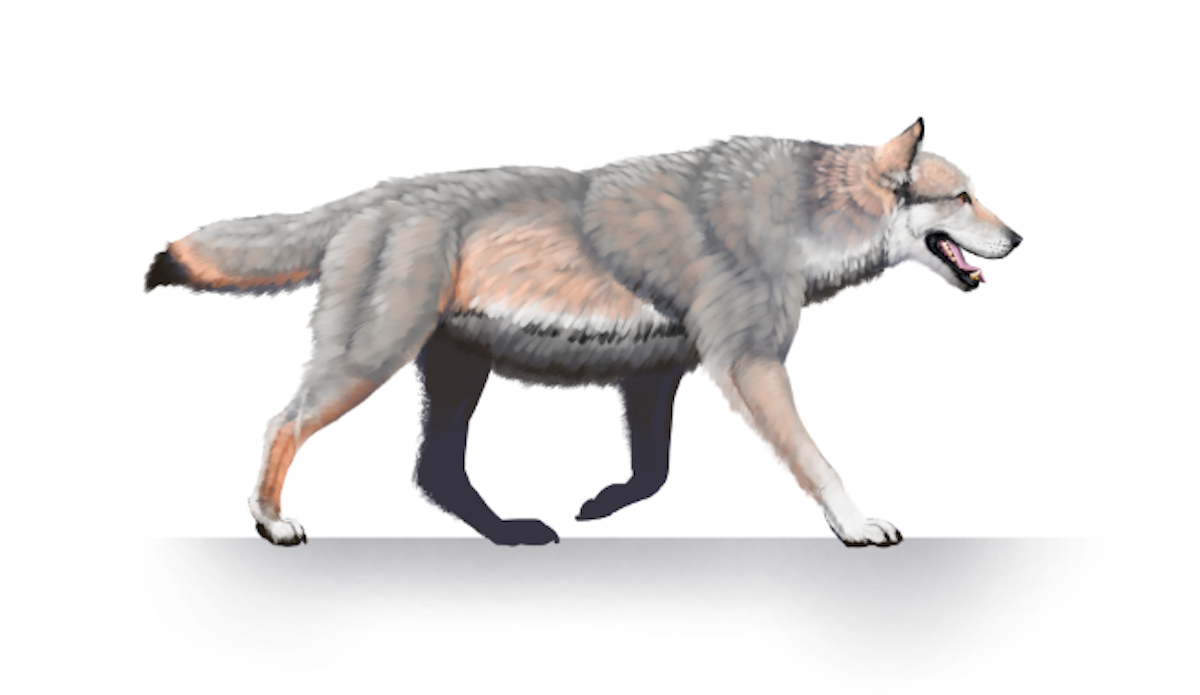
For the first time in over 10,000 years, the howl of a dire wolf is echoing once more—this time, from within a secretive nature preserve in the United States. The predator, long thought extinct and famously mythologized in pop culture like Game of Thrones, is back, thanks to genetic engineering.
Colossal Biosciences has successfully birthed three dire wolf pups—Romulus, Remus, and Khaleesi—through its "de-extinction" initiative.
Why It Matters
The project, combining ancient DNA analysis with CRISPR gene editing and modern surrogate breeding, marks a major milestone in genetic science and conservation. Colossal previously announced efforts to revive other extinct species like the woolly mammoth, the dodo, and the thylacine, but the dire wolf's return is the first successful mammalian de-extinction of its kind.
Colossal says its work could aid modern conservation. It is already using similar techniques to support critically endangered species like the red wolf, potentially helping to restore genetic diversity to populations with dangerously shallow gene pools.
The Center for Biological Diversity estimates that by 2050, 30 percent of the planet's genetic diversity could be lost. According to TIME, Colossal CEO Ben Lamm and chief science officer Beth Shapiro argue that genetic engineering offers a crucial means of preserving and potentially restoring that biodiversity.
What Is a Dire Wolf?
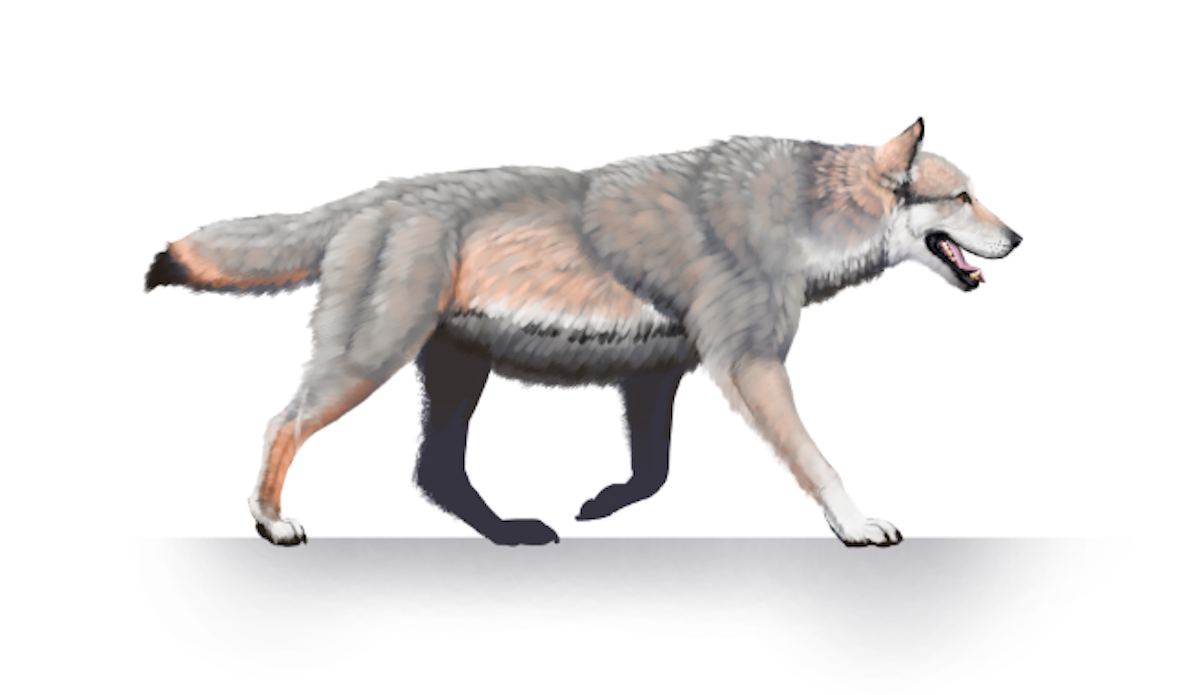
Dire wolves were apex predators that roamed much of the Americas during the Pleistocene epoch, according to the National Park Service. Fossil evidence shows they lived as north as Canada and as south as Venezuela. Unlike their smaller cousins, dire wolves hunted large ice age mammals, including mammoths and horses. Their extinction roughly 10,000 years ago coincided with the disappearance of much of their prey.
Although popularized by fiction, dire wolves were real, genetically distinct creatures with a powerful role in ancient ecosystems.
"Many people view dire wolves as mythical creatures that only exist in a fantasy world, but in reality, they have a rich history of contributing to the American ecosystem," said Game of Thrones author George R. R. Martin in a statement.
What Is the Dire Wolf Project?
Launched by Colossal Biosciences, the Dire Wolf Project uses gene editing to recreate the ancient predator. By analyzing ancient DNA from fossils, including a 13,000-year-old tooth found in Ohio and a 72,000-year-old skull found in Idaho, Colossal scientists reconstructed the dire wolf genome to a 91 percent match, The New Yorker reported.
"Within 18 months of our putting the name 'dire wolf' down on a whiteboard, we birthed dire wolves," Colossal co-founder Ben Lamm told the outlet.
The engineered cells were inserted into dog ova and implanted into surrogate hounds chosen for their health and size, TIME reported. The first two pups, Romulus and Remus, were born via cesarean section on October 1, followed by Khaleesi, named for the Game of Thrones character, a few months later.
The wolves now reside on a 2,000-acre preserve managed by Colossal, where they are monitored around the clock. The project also provides foundational techniques for Colossal's use in cloning endangered species such as the red wolf.
How Big Is a Dire Wolf?
Size is one of the most immediate differences between a dire wolf and today's wolves or dogs. At six months old, Romulus and Remus measure nearly four feet long and weigh 80 pounds. The wolves could grow up to six feet and 150 pounds.
Their mass, robust frame and wild temperament distinguish them from domestic canines. They aren't friendly or welcoming toward humans. TIME reported that the pups even avoid the humans who raised them.
"Romulus was a very brave pup and the first to go exploring on his own even when he was just a few days old," Paige McNickle, Colossal's animal husbandry manager, told the outlet. "Remus was much more reserved and would follow Romulus' cues. As they are growing up, Remus has become the more confident of the two and the first to explore new things and new areas."
How Is a Dire Wolf Different From a Gray Wolf?
While closely related, dire wolves and gray wolves diverged genetically hundreds of thousands of years ago.
Producing pups with traits that resemble the extinct dire wolf—including a larger body, heavier jaw, muscular limbs, and distinct vocalizations.
However, because these edits were based on modern wolf DNA and computational modeling, the resulting animals are approximations of their ice age ancestors, not replicas. The gray wolves share physical features with dire wolves but remain genetically and behaviorally distinct due to the limits of current technology and incomplete ancient DNA.
The gene-edited wolves have broader heads, more powerful jaws and shoulders, and a white coat consistent with pigmentation genes discovered in fossil DNA. According to TIME, these traits were reproduced by altering just 20 genes—though the behavioral differences were even more telling. Unlike domestic dogs or socialized gray wolves, the dire wolf pups showed little interest in human affection.
What People Are Saying
Beth Shapiro, Colossal's chief science officer, told TIME: "If we want a future that is both bionumerous and filled with people, we should be giving ourselves the opportunity to see what our big brains can do to reverse some of the bad things that we've done to the world already."
Colossal CEO Ben Lamm told The New Yorker: "I think people are, like, 'Wow, we can do big, crazy things and there is a chance that we get a return on them.' "
What Happens Next
While Colossal says the dire wolves won't be rewilded, they plan to study the trio over their lifespans.
Lamm hinted at broader ambitions. The Mandan, Hidatsa, and Arikara Nation has expressed interest in hosting dire wolves on tribal land, and Colossal is studying the feasibility of that proposal. Future engineered dire wolves may be created, but for now, Romulus, Remus, and Khaleesi remain isolated, watched by veterinary staff on the preserve.