
US deploys B-1B bombers near Venezuela as USS Gerald Ford closes in
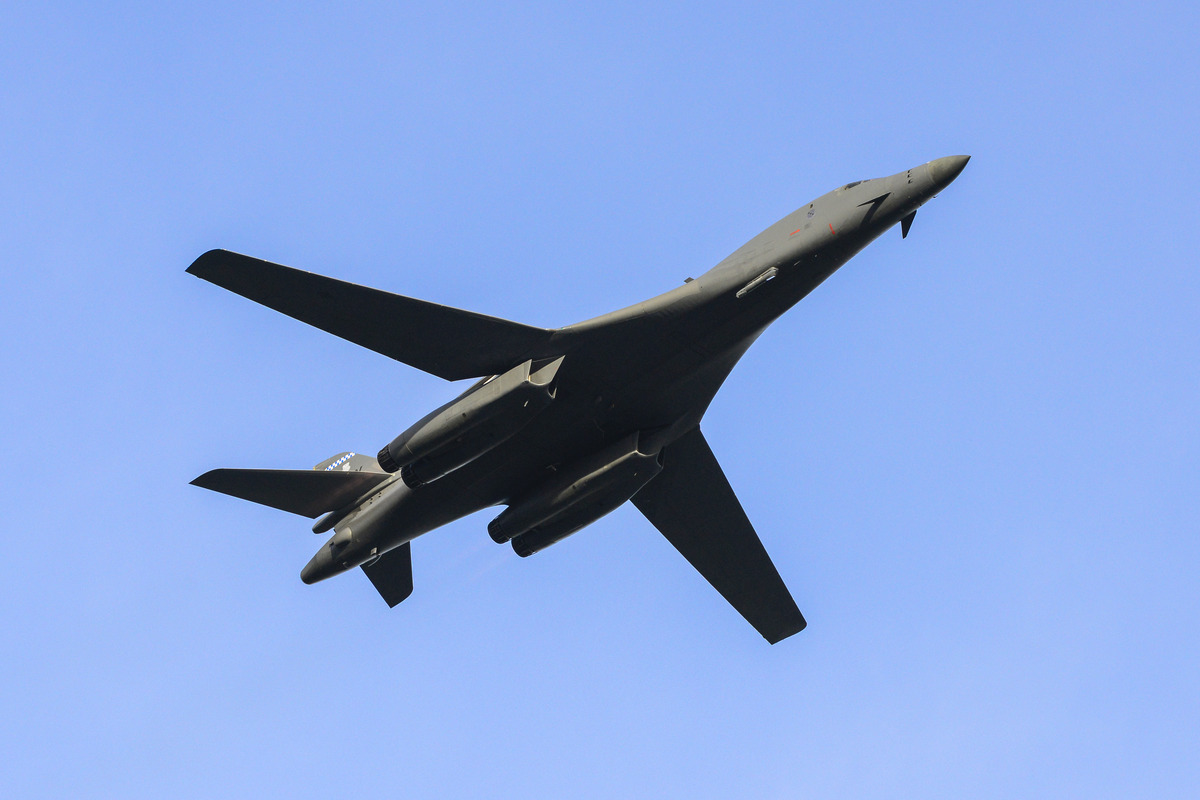
Two U.S. supersonic heavy bombers flew close to Venezuela on Monday as the Trump administration ramps up the pressure on Caracas and forges ahead with what it has touted as an uncompromising crackdown on narcotics routes into the United States.
The B-1B Lancers took off from the Grand Forks air base in North Dakota and headed south to Florida before passing Puerto Rico and sweeping just north of Venezuela's coastline, according to publicly available flight tracking data.
Why It Matters
President Donald Trump's administration has bolstered the U.S. military presence in the southern Caribbean close to Venezuela and carried out at least eight lethal strikes in the region on alleged drug trafficking vessels since early September. The administration has also said two strikes on vessels in the Pacific in the past week have killed five people.
The Pentagon said last week that the U.S. was moving the Navy's newest and largest aircraft carrier, the USS Gerald Ford, along with the aircraft and warships that accompany it, to the Caribbean.
The unusual military build-up, which has also strained American relations with Colombia—a longtime ally—quickly generated speculation that the White House could be preparing to topple Venezuela's authoritarian leader, Nicolás Maduro, fueled by remarks from some Republicans.
The U.S. doubled the reward for information leading to his arrest on drug-related and corruption charges to $50 million earlier this year. Venezuela said it is ready to respond and released an appeal in English from Maduro calling for peace.
What To Know
Several U.S military bombers have flown from the continental U.S. down to the Caribbean in recent days. Flight tracking data showed two B-1 aircraft left Dyess Air Force Base in Texas on Thursday and approached Venezuela's coast. A U.S. official told the Associated Press that B-1s had carried out a training flight in the Caribbean.
An unnamed defense official told The Wall Street Journal the aircraft are still based in the U.S. and can reach anywhere in the Caribbean from American soil.
The U.S. military confirmed B-52H Stratofortress bombers had carried out a "demonstration mission" on October 15 in the U.S. Southern Command (SOUTHCOM) area of responsibility. The caption for images published by the military said the long-range subsonic aircraft completed a "bomber attack demonstration."
Trump, speaking early on Tuesday, claimed the U.S. had " almost stopped completely" the seaborne flow of drugs to the U.S. and said the U.S. intended to "stop the drugs coming in by land." Trump confirmed this month that he had authorized the CIA to carry out covert operations in the country and has left the door open to further U.S. operations on Venezuelan soil.
At least 43 people have been killed in the U.S. strikes in close to two months, according to figures published by the administration. Venezuela, the United Nations, international experts, and U.S. lawmakers from both sides of the aisle have raised serious concerns that the attacks break international law.
What People Are Saying
President Donald Trump said on Tuesday: "We've almost stopped completely the drugs coming in by sea. And now we'll stop the drugs coming in by land. That's gonna be very easy."
Senator Rick Scott, a Florida Republican, said on Sunday's episode of 60 Minutes: “If I was Maduro, I'd head to Russia or China right now."