
Trump-induced uncertainty may be a blessing in disguise for investors in Singapore’s biggest Reits
Income-focused investors may prefer not being tapped for cash – and coping with the risk of their Reit subsequently trading underwater
The manager of CapitaLand Integrated Commercial Trust (CICT) kicked off its 2024 financial results briefing last week by recounting its “value creation journey” during the past year.
Notably, it provided a status update of the asset enhancement initiatives (AEIs) at its portfolio properties – including IMM Building and CQ @ Clarke Quay in Singapore; Gallileo in Frankfurt, Germany; and 101-103 Miller Street in Sydney, Australia.
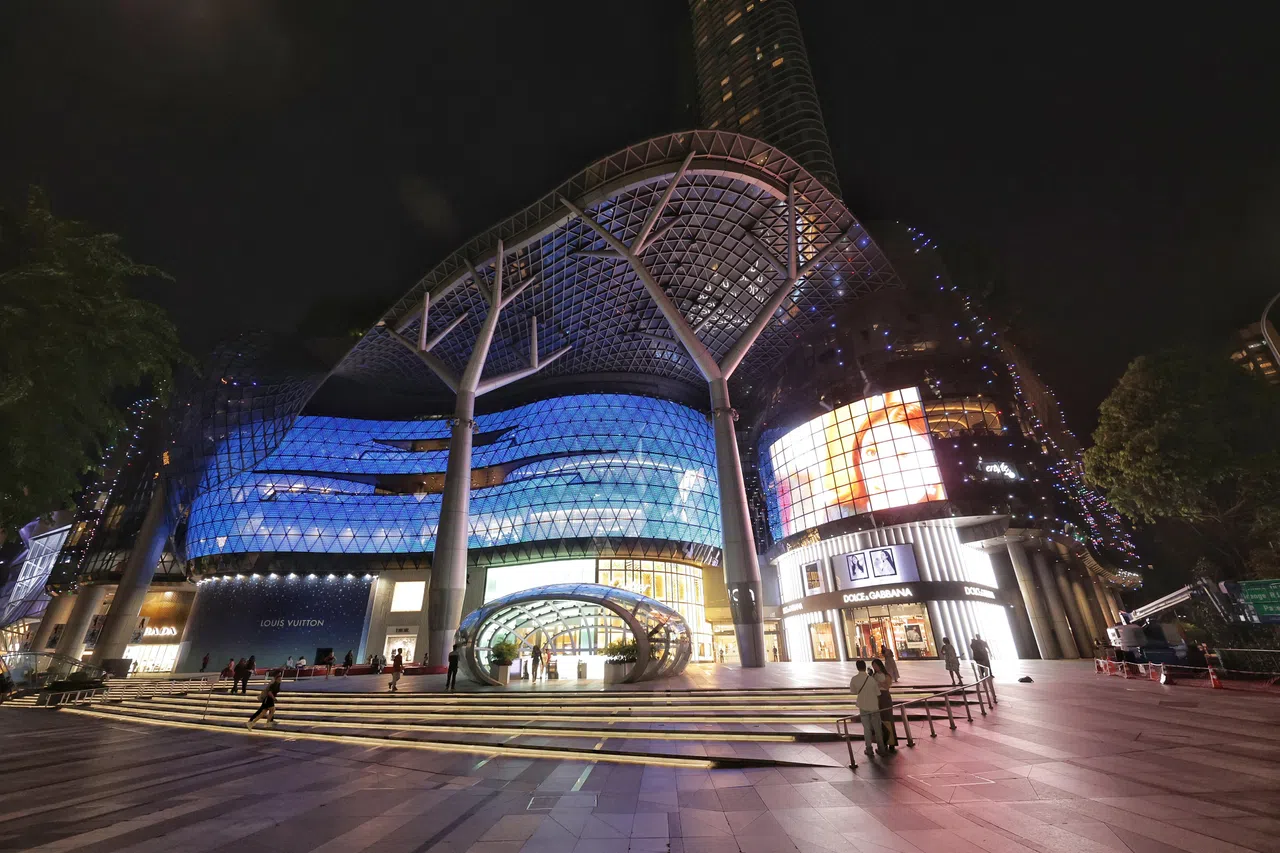
It also reminded analysts and reporters at the briefing that it had announced the acquisition of a 50 per cent stake in Ion Orchard in September at an agreed valuation of S$1.85 billion; and that it had sold an office building at 21 Collyer Quay for S$688 million in November.
The purpose of this recap was to help everyone better understand what is driving CICT’s financial numbers, said Tony Tan, chief executive of CICT’s manager. “A lot of activity happened over the year, and it makes the numbers a bit difficult to rationalise.”
AEIs usually result in properties generating stronger income after a brief hiatus. Divestments result in reduced income for a Reit, but the proceeds can be put towards reducing debt or acquiring properties with more promising fundamentals.
Copyright SPH Media. All rights reserved.