This year’s tax refunds could be bigger: How to track yours
The White House said Monday that Americans are expected to receive the "largest" "tax refunds in U.S. history this filing season, citing provisions of President Donald Trump's Working Families Tax Cuts Act.
Average refunds could rise by $1,000 or more this year, with economists projecting increases from 15 percent to 30 percent compared with recent years.
Last week, Treasury Secretary Scott Bessent said Americans can expect a larger tax refund because of Trump's "One Big Beautiful Bill." During an interview on the All-In podcast, Bessent said 2026 would be a "gigantic refund year" because Americans didn't change their withholdings and the tax changes are retroactive to the beginning of 2025.
The Tax Foundation think tank estimated that the average refund check will be $3,800. That's an increase from $3,052 for the 2024 tax year and $3,004 for 2023's. Financial services company Piper Sandler projected the average refund could rise to about $4,200, though refunds will depend on each person's tax filing situation.
Some taxpayers will receive larger checks than others under the new tax law. For instance, older Americans who can claim the new $6,000 senior deduction may get a larger boost, as well as homeowners who can claim the expanded $40,000 state and local tax deduction.
Tax refunds represent the biggest payday of the year for millions of Americans, with approximately 75 percent of taxpayers receiving refunds annually.
When Tax Filing Season Begins
Americans can file their 2025 tax returns with the IRS starting January 26. The agency expects to receive about 164 million individual income tax returns this year.
About 93 percent of taxpayers filed electronically during last year's tax season.
Taxpayers have until April 15 to file their 2025 tax returns and pay any tax due.
How to Set Up Direct Deposit for Your Refund
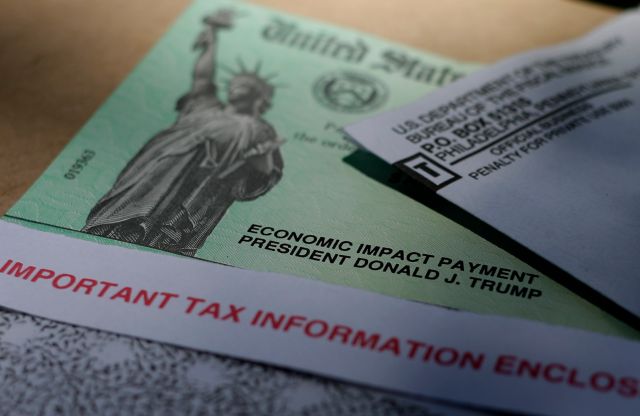
The IRS is encouraging taxpayers to use direct deposit for the fastest and safest refund delivery. The agency is phasing out paper checks for individual taxpayers, and most taxpayers must now provide their bank routing and account numbers to receive refunds through direct deposit.
Nine out of 10 taxpayers already receive refunds through direct deposit. Paper checks are over 16 times more likely to be lost, stolen, altered or delayed than electronic payments, the IRS said. Direct deposit also avoids the possibility that a refund check could be returned to the IRS as undeliverable.
Combining direct deposit with electronic filing is the fastest way to receive a refund, the agency added.
For taxpayers using tax software, select direct deposit as your refund method and enter your bank account and routing numbers. The routing number can be found on the bottom left corner of checks or on your bank's website. Your account number is on the bottom right corner of checks, in your online banking account or by calling your bank branch.
Those using tax preparers should simply request direct deposit. Paper filers must mark direct deposit on their return and include accurate banking information to avoid delays. If you miss a number on your account or routing number, the IRS may send you a paper check.