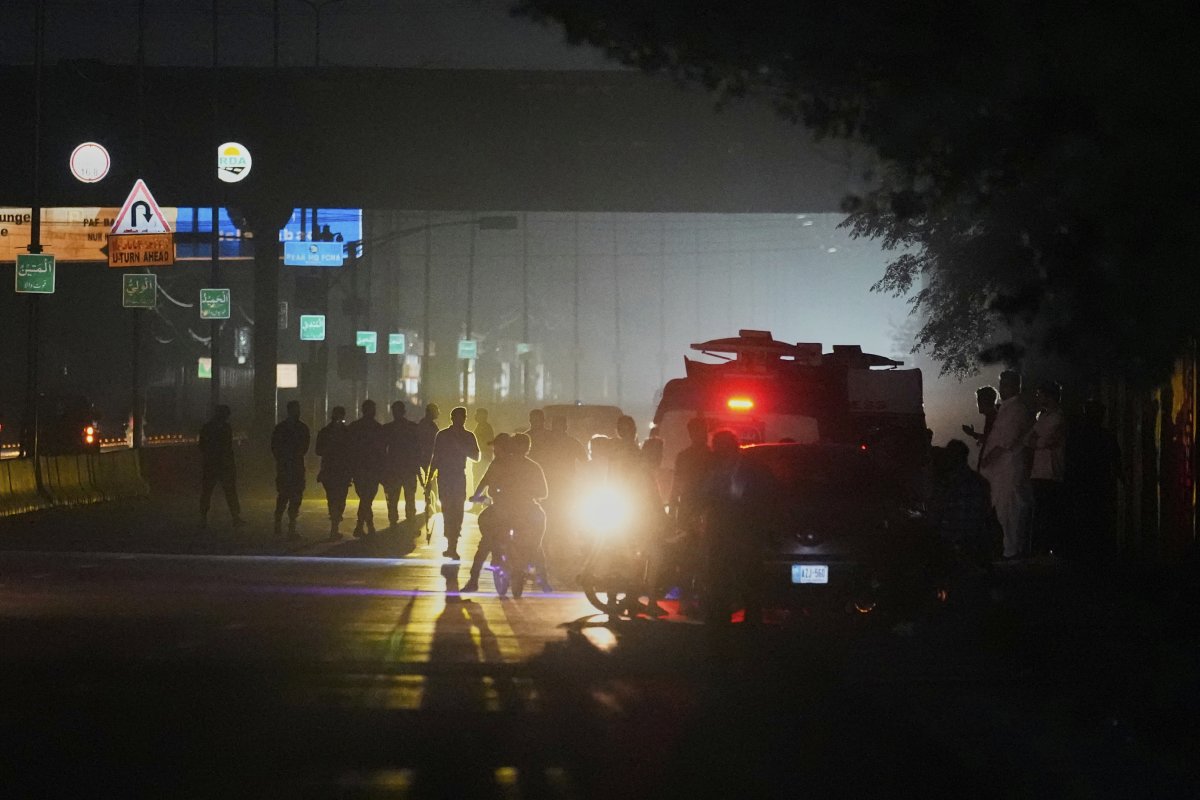
Satellite images show greater damage to Pakistan airbase after India strike
New satellite imagery suggests India's missile strike on Pakistan's Nur Khan airbase earlier this month may have caused significantly more destruction than initially assessed. The images, shared by open source intelligence researcher Damien Symon, reveal that a major operations complex at the Rawalpindi-based airbase has been completely demolished.
The facility, targeted during India's Operation Sindoor, sits near some of Pakistan's most sensitive military and nuclear infrastructure. The scope of the damage now appears broader than previously believed, hinting at a deeper strategic impact from the Indian strike.
Newsweek has reached out to the foreign ministries of Pakistan and India for comment.
Why It Matters
The Nur Khan airbase is one of Pakistan's most strategically important facilities, housing transport aircraft and surveillance systems, and located just miles from the Strategic Plans Division and Pakistan Army headquarters. Its proximity to these institutions gives the airbase outsized importance in Pakistan's military ecosystem. The demolition of an entire operations center would suggest the strike had penetrated a critical node in Pakistan's defense infrastructure.
What to Know
Symon posted the new satellite images on social media, showing that the 7,000-square-foot operations complex near the site of the May 10 strike has been dismantled. Earlier imagery showed damage to two specialized military trucks, but the full teardown of the facility points to deeper internal damage.
Symon told Hindustan Times that the decision to demolish the complex indicates restoration was "uneconomical or not viable," likely due to extensive structural and systemic damage. Its proximity to the blast zone may have compromised essential components such as wiring, internal systems, and the building's physical integrity.
India's Operation Sindoor
The strike on Nur Khan was part of India's broader retaliation under Operation Sindoor, launched after a deadly attack in the Kashmir town of Pahalgam on April 22. That attack, which India blamed on Pakistan-based militants, killed 26 civilians and was among the deadliest incidents in the region in recent years.
In response, India launched strikes on eight Pakistani airbases using air-launched cruise missiles. A four-day military confrontation followed, involving drones, long-range artillery, and missile systems, before both sides agreed to halt operations.
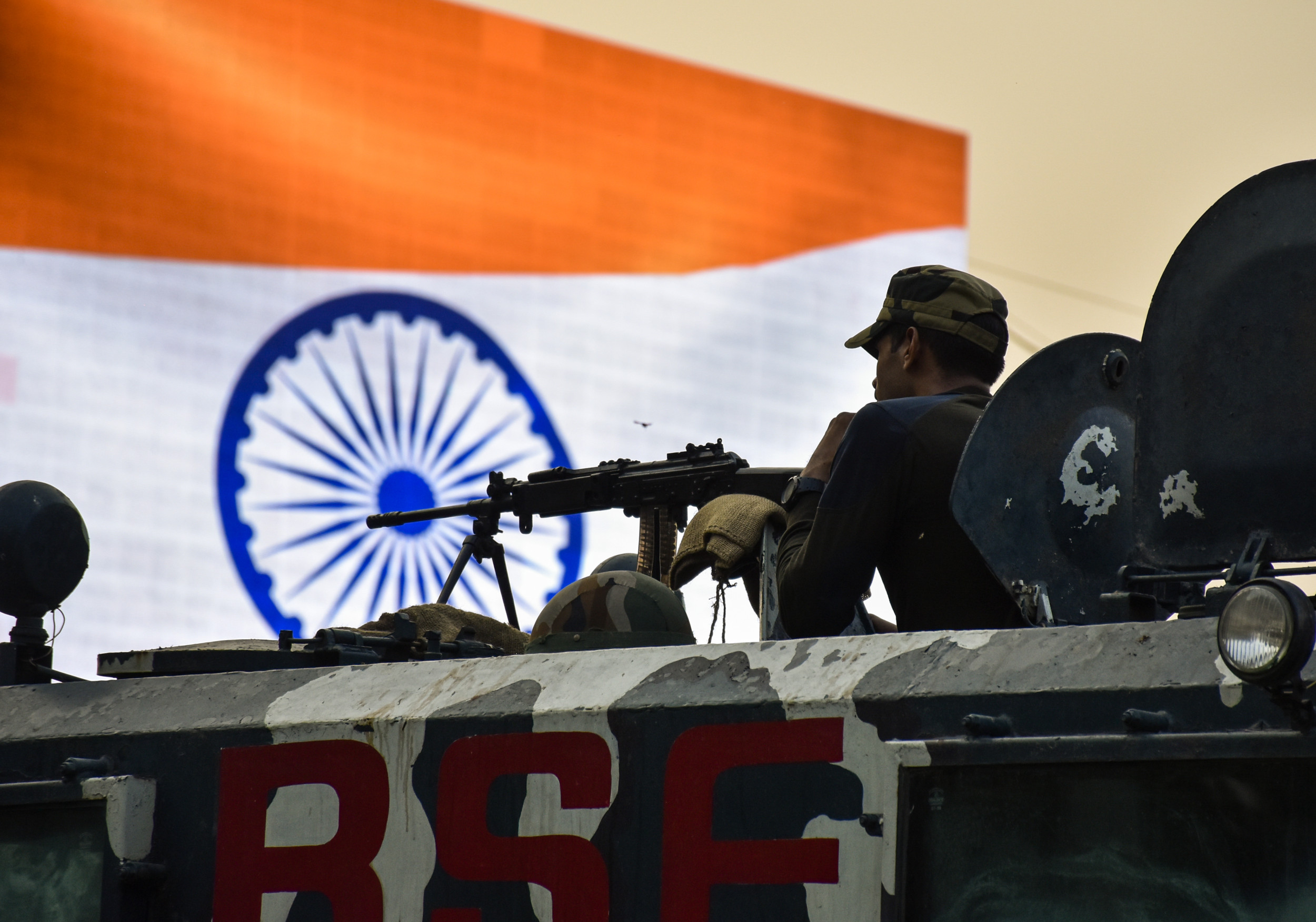
What People Are Saying
India's Lieutenant Governor Manoj Sinha of Jammu and Kashmir said: "Terrorism and dialogue cannot go hand in hand. Our soldiers have the capability to respond to any challenge and eliminate the threat to ensure the safety and peace of our people."
Pakistan's Lieutenant General Ahmed Sharif Chaudhry, Director General of Inter-Services Public Relations stated: "These blatant acts of aggression by India reflect the paranoia within the Indian mindset which continues to grow after the failure of each of its acts."
What Happens Next
The new evidence of extensive damage may prompt Pakistan to reassess its airbase resilience and trigger broader regional concerns over escalation control and strategic deterrence.