
Poll shows French fed up with U.S., 6 of 10 back boycott of American goods
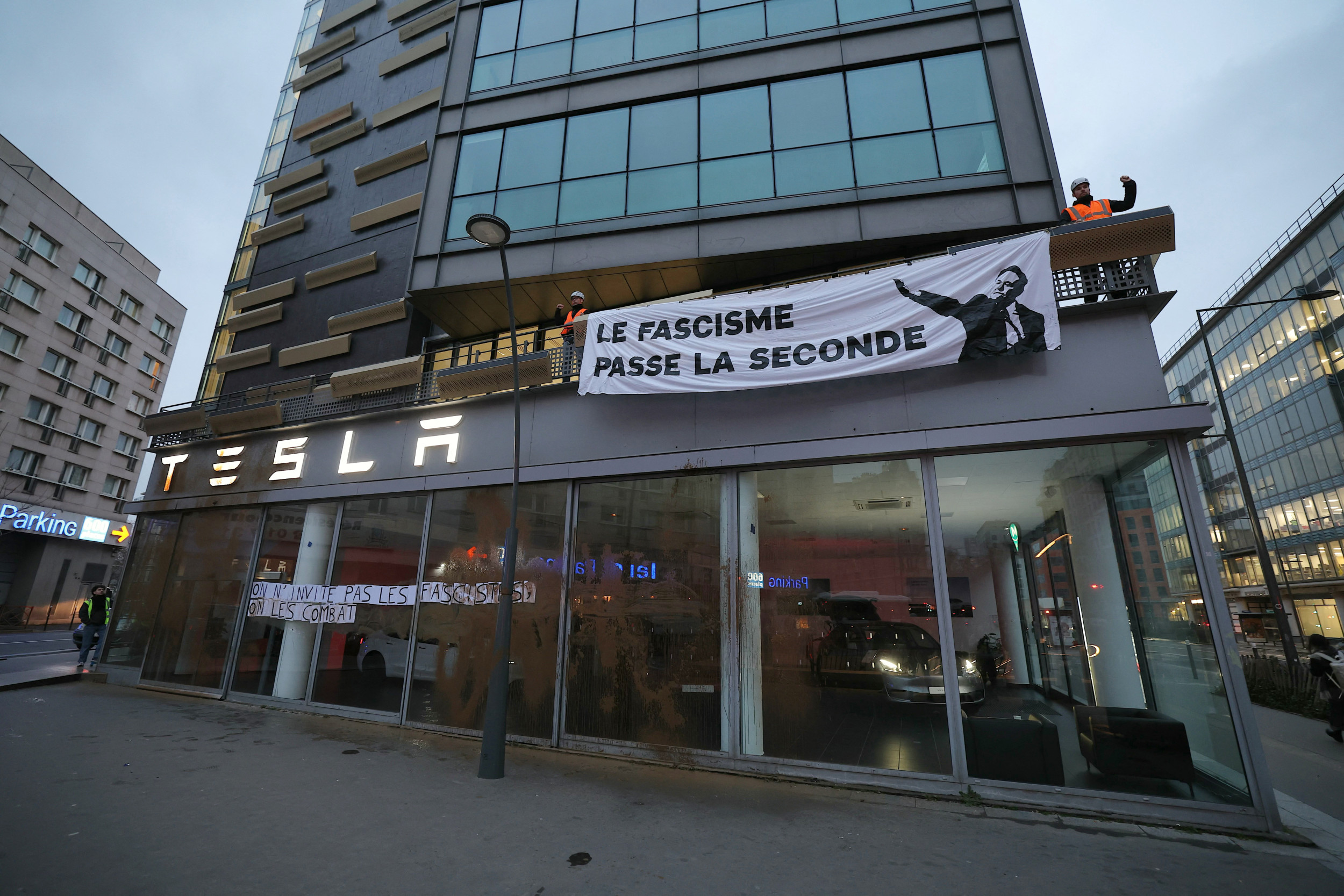
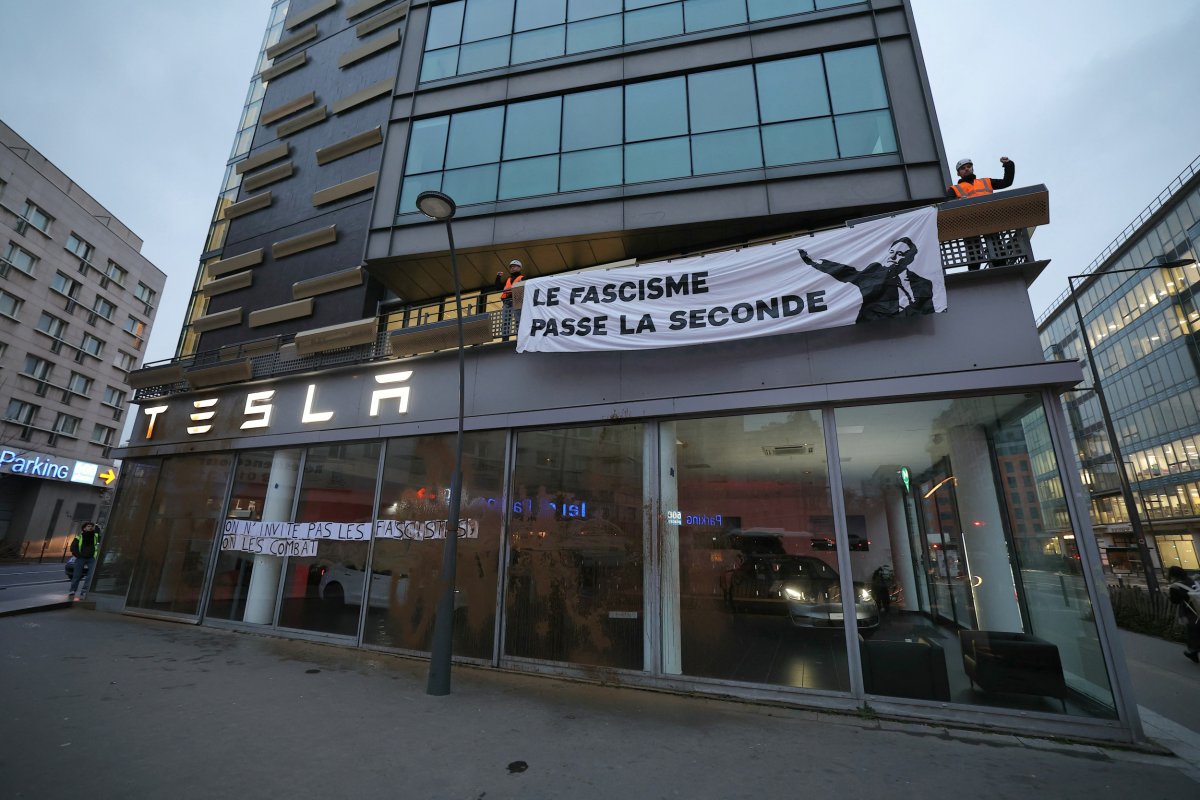
American brands like Coca-Cola, McDonald's, and Tesla, which once lined the boulevards of Paris, are becoming symbols of political resistance.
In a sharp rebuke of the Trump administration, a new poll finds that nearly two-thirds of French citizens support a boycott of U.S. goods, opposing the new American administration led by President Donald Trump, which has been verbally targeting Europe since coming to office.
Why It Matters
The poll comes amid rising tensions between the U.S. and Europe, with transatlantic relations strained since President Trump returned to office in January. His administration has threatened steep tariffs on French exports, including wine and champagne, and has criticized EU leaders over defense spending and support for Ukraine.
The boycott also follows weeks of mounting global backlash against companies like Tesla, led by billionaire and Trump supporter Elon Musk, who has publicly aligned himself with far-right parties in Europe and taken an increasingly active role in the Trump administration.
What To Know
The survey, conducted by French polling institute Ifop for the website NYC.fr, found only 25 percent of French citizens now view the United States favorably—the lowest level in 40 years.
At the same time, 62 percent said they support calls to boycott U.S. companies, and 57 percent said they are ready to stop buying American goods in the coming months.
"This study reveals an unprecedented collapse of the image of the United States in the eyes of the French," said François Kraus, director at Ifop. He noted that the boycott is driven by older, wealthier and more educated consumers—groups that typically spend more and shape broader market behavior.
Tesla, Coca-Cola, McDonald's, and X (formerly Twitter) are among the brands most affected. Forty-seven percent of respondents said they plan to boycott Tesla, while Coca-Cola was cited by 48 percent and McDonald's by 44 percent.
According to the poll, support for the boycott has grown as Trump threatens new tariffs on European exports, including a proposed 200 percent tax on French champagne, wine and spirits.
Tesla and X were singled out for their association with Elon Musk, who has been vocal in his support for Trump and recently joined the administration in a federal advisory role. "The image of his brands has collapsed among French consumers," the Ifop report said.
While the backlash against Tesla was arguably predictable, the boycott movement has expanded to include major American fast food and beverage brands. Coca-Cola, McDonald's, KFC, and Starbucks are among the most frequently targeted. Today, one in three French consumers say they are actively avoiding at least one American product.
"This is no longer just symbolic," said Kraus. "It reflects a real shift in how French consumers perceive and respond to the United States."
Beyond shopping habits, the survey also showed declining interest in the U.S. as a place to live, work, or study. Only 22 percent of French citizens would consider studying or working in the U.S.—down from 48 and 37 percent in 2010. Interest in U.S. tourism has dropped as well, though cities like New York remain relatively popular.
The boycott cuts across party lines. It is most popular among left-wing voters (72 percent), but also has backing from 65 percent of center-right voters and 49 percent of far-right supporters. The brands targeted are often those seen as tied to Trump or American consumer culture more broadly.
A separate report from The Connexion found 64 percent of French shoppers are considering switching away from U.S. products in supermarkets.
What People Are Saying
François Kraus, director at Ifop, said in a press release: "This isn't a youth-led protest. It's being driven by seniors and high-income consumers—and that poses a bigger problem for U.S. brands."
Jérôme Labbé, managing director of the market research firm Discurv, echoed this sentiment in an interview with The Connexion, saying: "International tensions can have a direct impact on consumer behavior."
What Happens Next
The U.S. has threatened steep tariffs on French goods, but none have been imposed yet. Still, both sides are preparing for a possible transatlantic trade dispute, with the EU signaling it's ready to hit back. French European Affairs Minister Benjamin Haddad said a trade war isn't the goal, but the EU will respond more forcefully if needed.