
People in Florida Could Get Up to $500,000 for Winter Storm
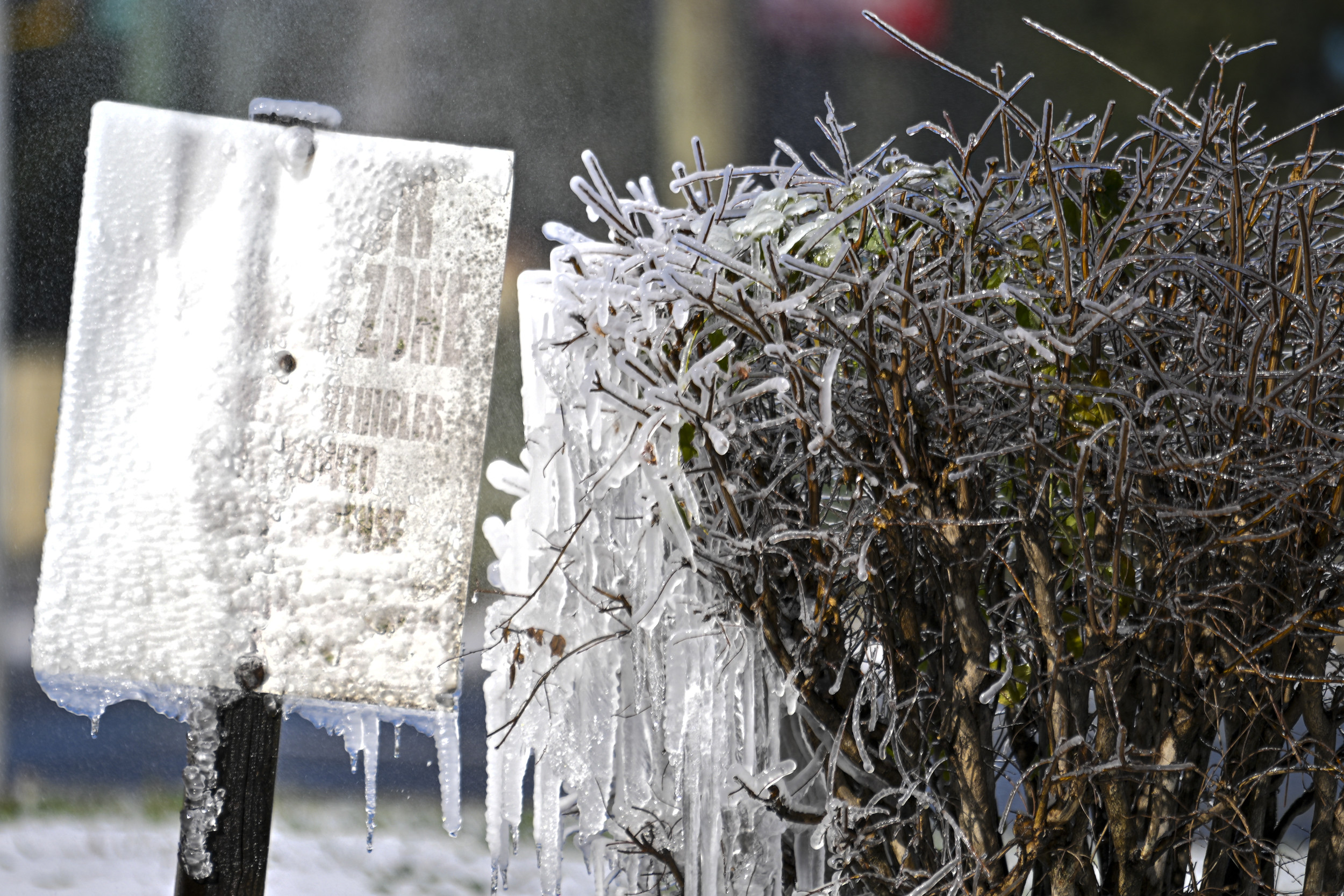
Florida farmers, ranchers and growers impacted by the recent winter storm could get up to a $500,000 loan, Florida Commissioner of Agriculture Wilton Simpson said on Tuesday.
Newsweek has reached out to Simpson's office via email for comment.
Why It Matters
The winter storm, which brought hard freezes and the heaviest snowfall in the state's history in recent weeks, primarily impacted growers and producers in North Florida.
The cold snap was part of a broader weather pattern bringing rare winter weather to parts of the Southeastern U.S. Florida was among the Southern states that saw accumulating snow, so much so that it was visible from space.
What To Know
Simpson unveiled the Agriculture and Aquaculture Producers Natural Disaster Recovery Loan Program, which offers financial relief to those grappling with property damage caused by the unprecedented freeze and snowfall.
"Florida's farmers matter - to our national security, to our families and to our economy. Delivering immediate support to agricultural producers impacted by the recent winter storm, like our nursery growers in North Florida who were hit especially hard, is a critical first step to get them back on their feet so that our food supply chain is not negatively impacted," Simpson wrote on X, formerly Twitter.
He added: "The Natural Disaster Recovery Loan Program provides a start with immediate financial relief, ensuring that Florida's farmers and ranchers begin to rebuild."

The emergency funding allows eligible producers to restore, repair, or replace essential physical property—including fences, equipment, greenhouses, and other agricultural infrastructure—and to clear debris left in the storm's wake.
Farmers who have received funding for past disasters, including recent hurricanes, may still be eligible for additional aid. However, applicants are subject to limits, including no more than one loan per storm, two loans per year, and five loans within a three-year period.
The program is backed by a $75 million revolving loan fund approved by the Florida Legislature during a special session in November 2023 to support impacted agriculture and aquaculture producers recover from natural disasters.
The relief funding comes after Florida's agricultural industry already experienced economic implications from previous natural disasters.
In 2024, the estimated financial losses in the industry totaled nearly $974 million from hurricane damage alone, according to the Associated Press.
It comes as agriculture assets in Florida accounted for $534 million in market value during the last census, according to the U.S. Department of Agriculture (USDA).
What People Are Saying
Trenise Bryant, who is a food-service manager for Florida elementary-age children and a housing advocate across the state, told Capital B News on Wednesday, "The cold snap and the snow showed us we have to be ready, and I don't think our states — the Southern states — are ready. I don't know if our infrastructure and ecosystems can withstand what's to come."
NWS meteorologist Kristian Oliver previously told Newsweek: "For January, the average minimum temperature is around 40 degrees, the average max temperature is around 64."
Despite being a far cry from average, Oliver said Tallahassee's coldest January temperature on record occurred in 1985 when the temperature reached 6 degrees.
AccuWeather senior meteorologist Tom Kines said: "This is a once-in-a-lifetime event for a lot of these folks down there."
What Happens Next
While Florida farmers await funding from the loan program, the state encouraged impacted producers to take photos of any property damage sustained from the winter storm and to save all receipts for recovery efforts and supplies.