
Ozempic and blindness: What we know about weight loss side effects
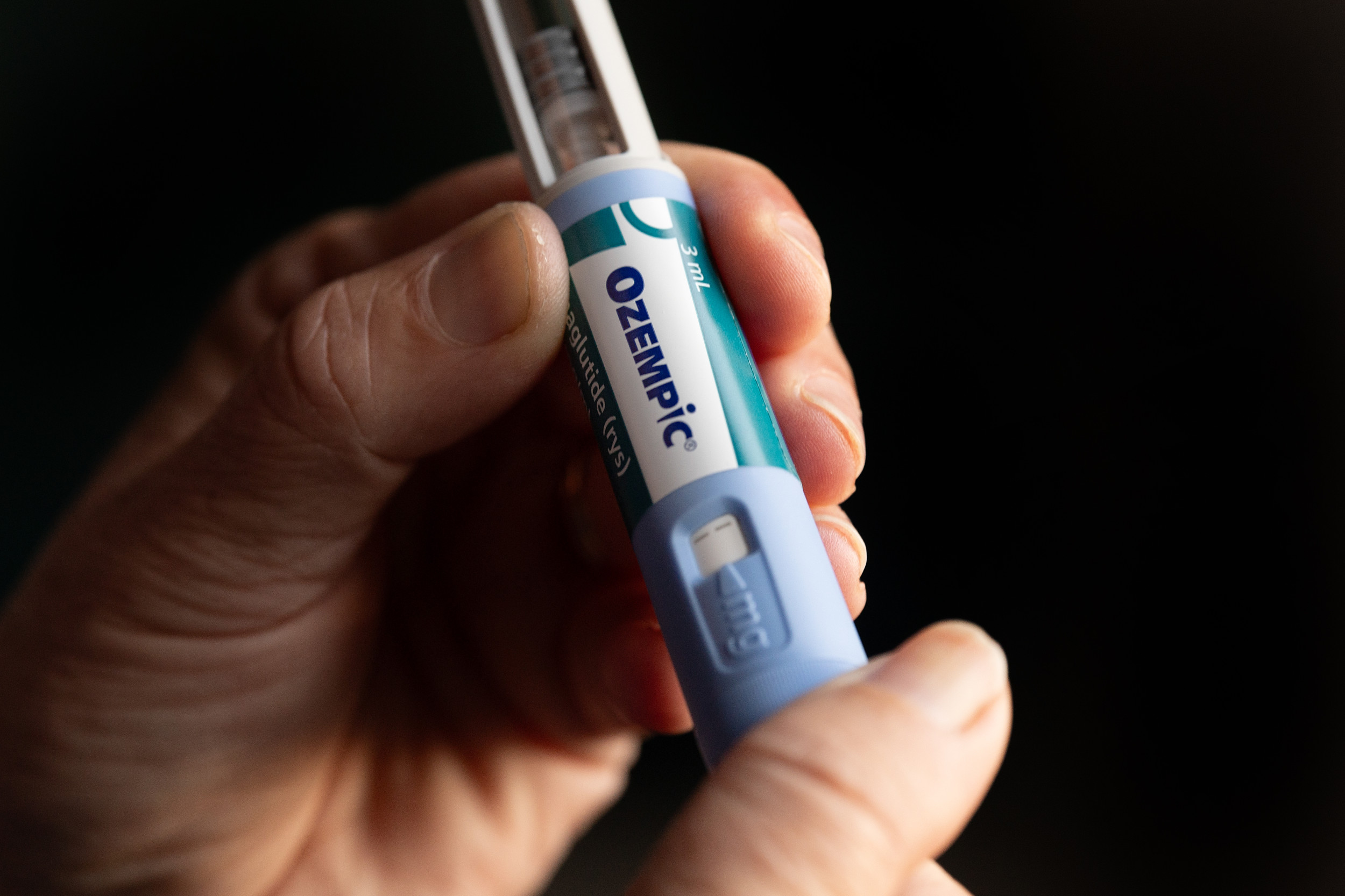
A new study about "Ozempic blindness" has sparked interest online. This is what we know about it, and the potential side effects of the drug.
Why It Matters
In 2023, almost 2 percent of the population of the United States received a prescription for semaglutide. As the usage of the drug increases, so too do concerns about the drug and its side effects.

What To Know
A 2023 study from JAMA found that drugs like Ozempic are associated with an increased risk of serious medical conditions, including stomach paralysis, pancreatitis, biliary disease and bowel obstruction.
Now, JAMA has released a new study that aims to ascertain: "What are some of the ophthalmic complications that have been observed in patients using the drug semaglutide or tirzepatide?" It found that of nine patients, seven had nonarteritic anterior ischemic optic neuropathy, one had papillitis and another had patient is described with paracentral acute middle maculopathy.
The conclusion of the JAMA study notes: "In this case series study, it was not possible to determine if there is a causal link between these drugs and the ophthalmic complications reported. In some cases, it is hypothesized that rapid correction of hyperglycemia induced by these drugs, rather than a toxic effect of the drugs, could be associated with the ophthalmic complications reported.
What are the Ophthalmic Complications?
Nonarteritic Anterior Ischemic Optic Neuropathy (NAION)
- What it is: A condition where there is sudden, painless vision loss due to decreased blood flow (ischemia) to the optic nerve head.
Papillitis
- What it is: Inflammation of the optic nerve head (the part inside the eye), a form of optic neuritis.
Paracentral Acute Middle Maculopathy (PAMM)
- What it is: A condition characterized by ischemia (restricted blood flow) in the deep layers of the retina, particularly the inner nuclear layer, leading to localized vision disturbances.
The study detailed that: "Although a causal link between these drugs and observed complications cannot be established, these findings cannot rule out the possibility that rapid correction of hyperglycemia may be associated with the results reported."
What is Ozempic?
Ozempic is a brand name for semaglutide and is a prescription medication developed by leading Danish pharmaceutical company Novo Nordisk. It functions as a glucagon-like peptide-1 (GLP-1) receptor agonist, mimicking a natural hormone that stimulates insulin secretion, thereby aiding in blood sugar regulation.
Administered as a once-weekly subcutaneous injection, Ozempic not only helps control blood glucose levels but also reduces the risk of major cardiovascular events, such as heart attack or stroke, in adults with type 2 diabetes and established heart disease.
The drug works by mimicking a hormone that regulates appetite and digestion which in turn leads to reduced hunger and calorie intake. This combined with its ability to slow down digestion helps users reduce their body weight.
A representative for Novo Nordisk previously told Newsweek that the company was "committed to the responsible use of our medicines."
"Ozempic is not approved for chronic weight management," the representative said.
Ozempic blindness symptoms
Recent studies have indicated a potential link between semaglutide, the active ingredient in Ozempic, and a rare eye condition known as non-arteritic anterior ischemic optic neuropathy (NAION).
NAION occurs when blood flow to the optic nerve is blocked, leading to sudden, painless vision loss in one eye.
Symptoms of NAION can include blurred vision, peripheral vision loss, dark spots in vision, and changes in color perception. Though the exact mechanism is not fully understood, researchers hypothesize that rapid blood sugar reduction caused by semaglutide may damage blood vessels in the eyes, contributing to this condition.
Ozempic side effects
According to the Mayo Clinic, the side effects of Ozempic are as follows:
Common side effects:
- Belching
- Bloated, full feeling
- Constipation
- Diarrhea
- Excess air or gas in the stomach or intestines
- Gaseous stomach pain
- Heartburn
- Indigestion
- Nausea
- Passing gas
- Stomach discomfort, fullness, or pain
- Vomiting
Less common side effects:
- Recurrent fever
- Yellow eyes or skin
Rare side effects:
- Burning feeling in the chest or stomach
- Stomach upset
- Tenderness in the stomach area
What People Are Saying
A Novo Nordisk spokesperson told Newsweek via email: "NAION is a very rare eye disease, and it is not an adverse drug reaction for the marketed formulations of semaglutide (Ozempic, Rybelsus and Wegovy) as per the approved labels. After a thorough evaluation of studies from the University of Southern Denmark and Novo Nordisk's internal safety assessment, Novo Nordisk is of the opinion that the benefit-risk profile of semaglutide remains unchanged.
"Novo Nordisk, on its part, has conducted an analysis across randomized controlled clinical trials with GLP-1 receptor agonists, including a blinded ophthalmologist evaluation to confirm NAION diagnoses. These data do not suggest a causal relationship between GLP-1 RA use and NAION events.
"Patient safety is a top priority for Novo Nordisk, and we take all reports about adverse events from use of our medicines very seriously. This also relates to eye conditions, which are well-known comorbidities for people living with diabetes. Any decision to start treatment with prescription-only medicines should be made in consultation with a healthcare professional who should do a benefit-risk evaluation for the patient in question, weighing up the benefits of treatment with the potential risks."
The journalist Mario Nawfal posted on X, formerly Twitter: "Nine U.S. patients suffered vision loss after taking weight loss drugs Ozempic and Mounjaro. One patient went blind in both eyes within weeks of starting treatment. Doctors link the issue to blood vessel damage from rapid blood sugar changes."
One user, skeptical about the study, posted on X: "Diabetes can lead to blindness. Ozempic was a drug for diabetics."
What's Next
This study from JAMA regarding potential ophthalmic complications to do with Ozempic is the latest in a series of studies about the drug and it's potential side effects. It is likely that given how many people are using Ozempic in the U.S., medical studies into its side effects will continue.
Update 02/12/2025, 04:24 a.m. ET: This article has been updated with comment from a Novo Nordisk spokesperson and further information.
Do you have a story Newsweek should be covering? Do you have any questions about this story? Contact LiveNews@newsweek.com.