
Justice Alito attacks SCOTUS' 'legally questionable' Trump deportation move
By
Kate Plummer is a Newsweek reporter based in London, U.K. Her focus is on U.S. politics and national affairs, and she is particularly interested in the impact of social policy decisions on people as well as the finances of political campaigns, corruption, foreign policy, democratic processes and more. Prior to joining Newsweek, she covered U.K. politics extensively. Kate joined Newsweek in 2023 from The Independent and has also been published in multiple publications including The Times and the Daily Mail. She has a B.A. in History from the University of Oxford and an M.A. in Magazine Journalism from City, University of London.
Languages: English.
You can get in touch with Kate by emailing k.plummer@newsweek.com, or by following her on X at @kateeplummer.
Investigative Reporter
news article
Based on facts, either observed and verified firsthand by the reporter, or reported and verified from knowledgeable sources.
Share
✓ Link copied to clipboard!
Listen
Translate
- English (Original)
- Español
- 中国人
- Français
- Deutsch
- Portuguese
- हिन्दी
Newsweek AI is in beta. Translations may contain inaccuracies—please refer to the original content.
Read original
Speed: 0.5xSpeed: 1xSpeed: 1.5xSpeed: 2x
🎙️ Voice is AI-generated. Inconsistencies may occur.
✖
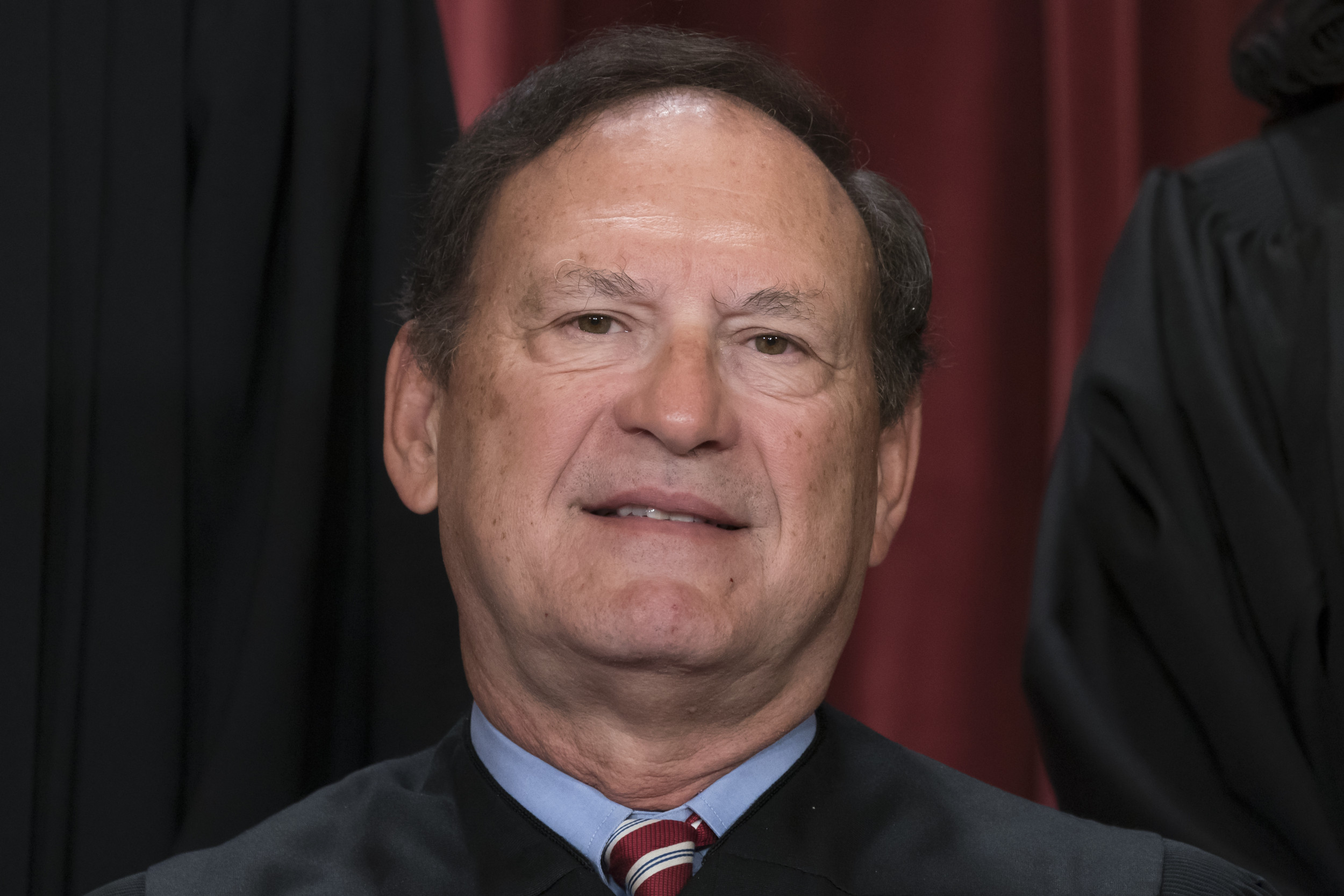
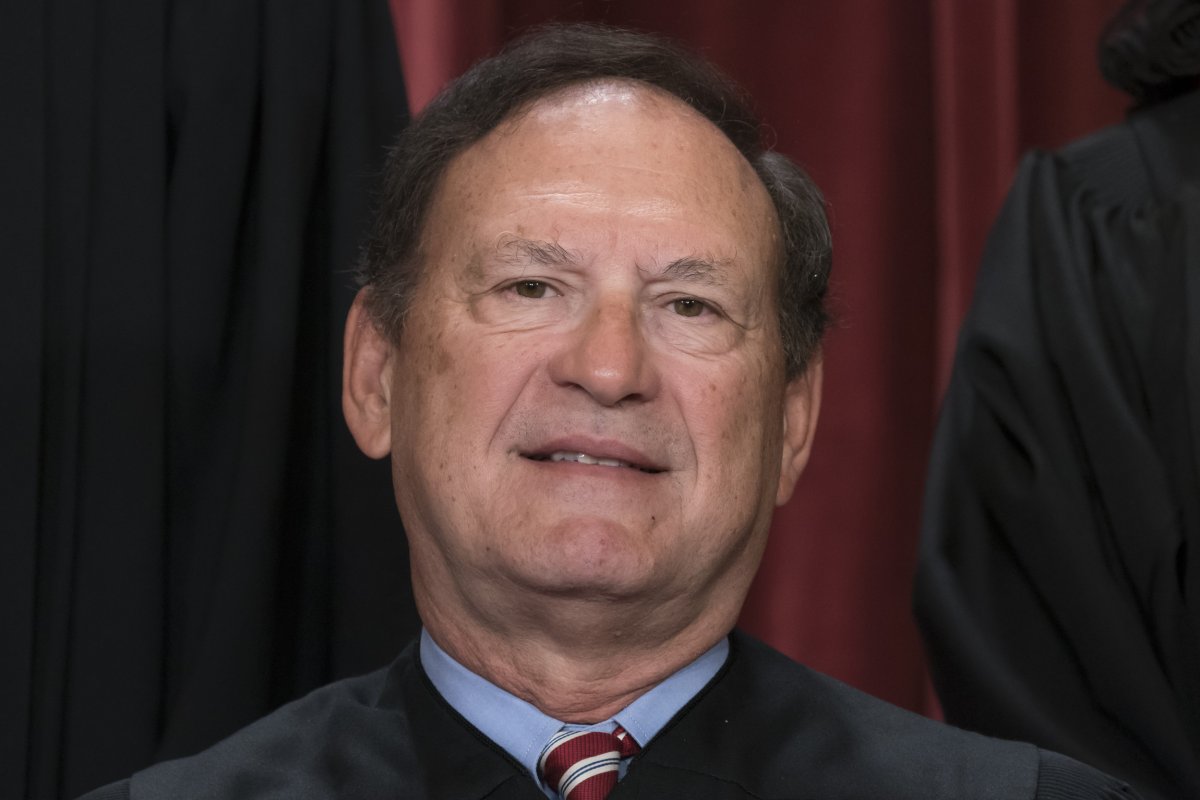
Justice Samuel Alito has criticized a Supreme Court ruling instructing Donald Trump's administration to pause the deportation of Venezuelan men in custody.
The court issued an order early Saturday morning directing Trump's administration to pause deportations of Venezuelan men it accused of being members of a gang. It had intended to deport them using powers under the Alien Enemies Act (AEA) of 1798.
Writing in a dissenting opinion Alito, who was nominated by Republican President George W. Bush in 2005, said the court had behaved "hastily and prematurely" without following legal precedents.
"The Court issued unprecedent and legally questionable relief without giving the lower courts a chance to rule, without hearing from the opposing party, within eight hours of receiving the application, with dubious factual support for its order, and without providing any explanation for its order," he wrote.
Justice Clarence Thomas also dissented.
This is a developing story and will be updated.