
Full list of stores closing in April
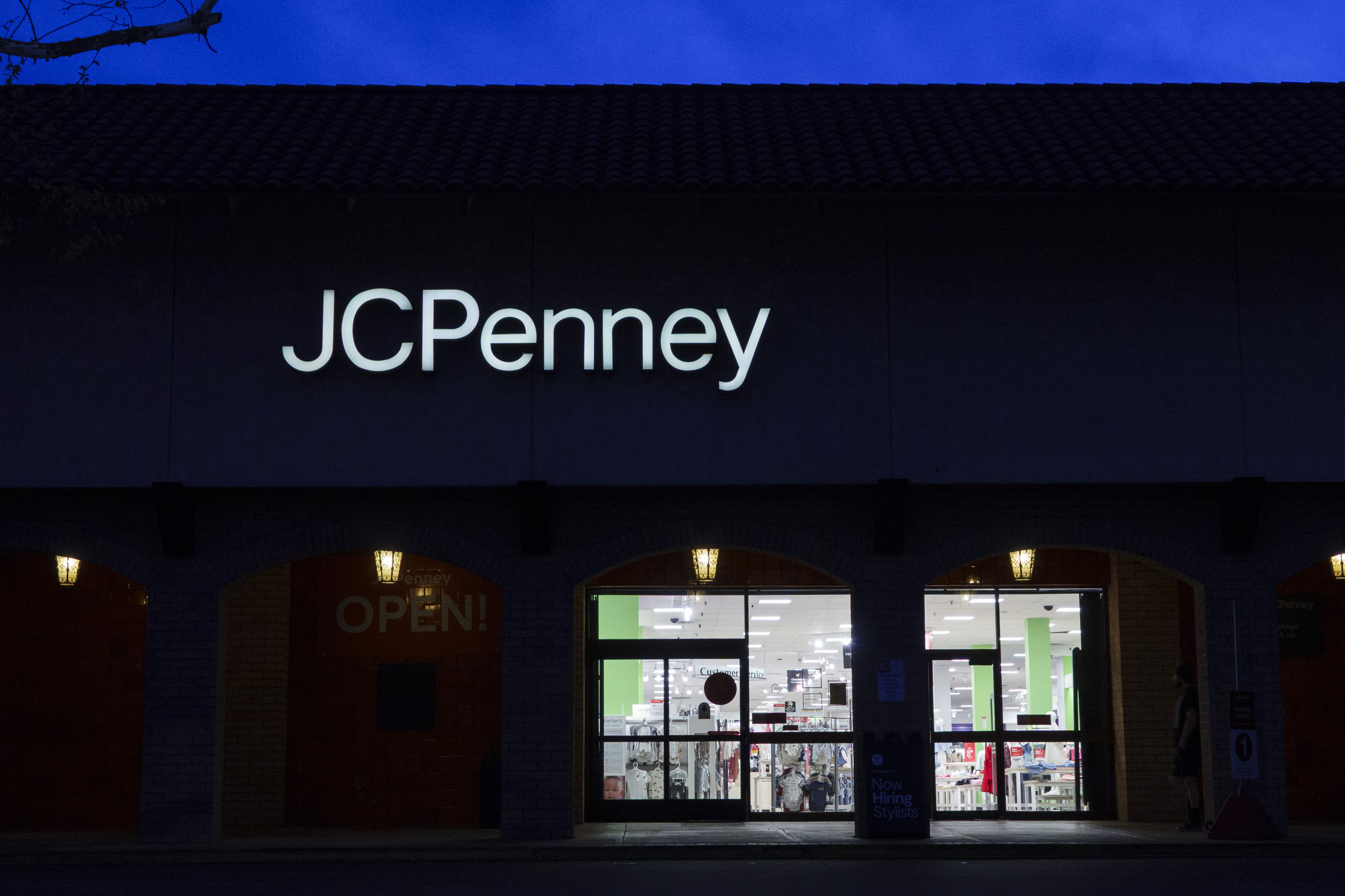
Several retailers are set to close stores nationwide throughout the month of April.
The closures are happening across several shopping verticals as brick-and-mortar sales remain down for many companies following the coronavirus pandemic.
Why It Matters
The store closures arrive as many retailers struggle to redefine their business models post-pandemic.
Data has long shown that malls are declining in prevalence, with almost 25 percent of America's largest shopping centers expected to close by 2027, according to research from real estate services firm Green Street Advisors.
What To Know
For April, several store chains announced plans to close locations. This includes:
- Walgreens
- JCPenney
- Dollar General
- Kohl's
Newsweek reached out to the companies via email for comment.
Walgreens is closing three stores in Colorado Springs as part of a larger effort to close 500 stores nationwide this year.
The company previously disclosed that roughly 25 percent of its 8,700 stores in the United States do not make a profit. Walgreens is attempting to fix that by shutting down 1,200 locations, including 500 for this fiscal year.
Patients should see their prescriptions automatically transferred to a different Walgreens location.
JCPenney also announced a slew of store closures set to arrive by the middle of the year:
- The Shops at Tanforan in San Bruno, California
- The Shops At Northfield in Denver, Colorado
- Pine Ridge Mall in Pocatello, Idaho
- West Ridge Mall in Topeka, Kansas
- Westfield Annapolis Mall in Annapolis, Maryland
- Fox Run Mall in Newington, New Hampshire
- Asheville Mall in Asheville, North Carolina
- Charleston Town Center in Charleston, West Virginia
Discount retailer Dollar General is also closing hundreds of stores this year as sales dwindle.
Kohl's, which operates more than a thousand clothing stores across the country, also said it would shutter 27 underperforming stores by April.
"We always take these decisions very seriously," Tom Kingsbury, Kohl's former CEO, said in January. "As we continue to build on our long-term growth strategy, it is important that we also take difficult but necessary actions to support the health and future of our business for our customers and our teams."
Last month, arts and crafts retailer Joann's Fabrics said it would close all stores nationwide.
In the weeks leading up to the final closures, shoppers can likely anticipate major store closing sales.
What People Are Saying
Brigid Sweeney, Walgreen's senior manager of media relations, said in a statement to The Denver Post: "Our retail pharmacy business is central to our go-forward business strategy. However, increased regulatory and reimbursement pressures are weighing on our ability to cover the costs associated with rent, staffing, and supply needs. It is never an easy decision to close a store."
A JCPenney spokesperson told Axios: "While we do not have plans to significantly reduce our store count, we expect a handful of JCPenney stores to close by mid-year... The decision to close a store is never an easy one, but isolated closures do happen from time to time due to expiring lease agreements, market changes or other factors."
Kevin Thompson, CEO of 9i Capital Group and host of the 9innings podcast, told Newsweek: "A lot of these closures have one thing in common: private equity—or at least something valuable that outside investors want to get their hands on."
"But it's not just PE games," he said. "The failing mall segment is a big part of this too. We've got malls across America sitting nearly empty. People just aren't engaging with the mall experience anymore. What's left? End-cap stores and a sea of vacant tenants."
What Happens Next
Brick-and-mortar stores could continue to face financial strife in the years to come.
"Truthfully, no one's immune. The companies that pivoted quickly to e-commerce are in better shape, but a lot of big-box names got caught flat-footed as online shopping became the norm," Thompson said.
"For consumers, expect more online shopping and fewer brick-and-mortar options. That shift will reduce retail jobs and help companies cut long-term costs. It's not ideal, but it's the direction things are headed."