
Donald Trump's reciprocal tariffs begin: What to know
By
Hugh Cameron is Newsweek U.S. news reporter based in London, U.K. with a focus on covering American economic and business news. Hugh joined Newsweek in 2024, having worked at Alliance News Ltd where he specialised in global and regional business developments, economic news, and market trends. He graduated from the University of Warwick with a bachelor's degree in politics in 2022, and from the University of Cambridge with a master's degree in international relations in 2023. Languages: English. You can get in touch with Hugh by emailing h.cameron@newsweek.com
U.S. News Reporter
news article
Based on facts, either observed and verified firsthand by the reporter, or reported and verified from knowledgeable sources.
Share
✓ Link copied to clipboard!
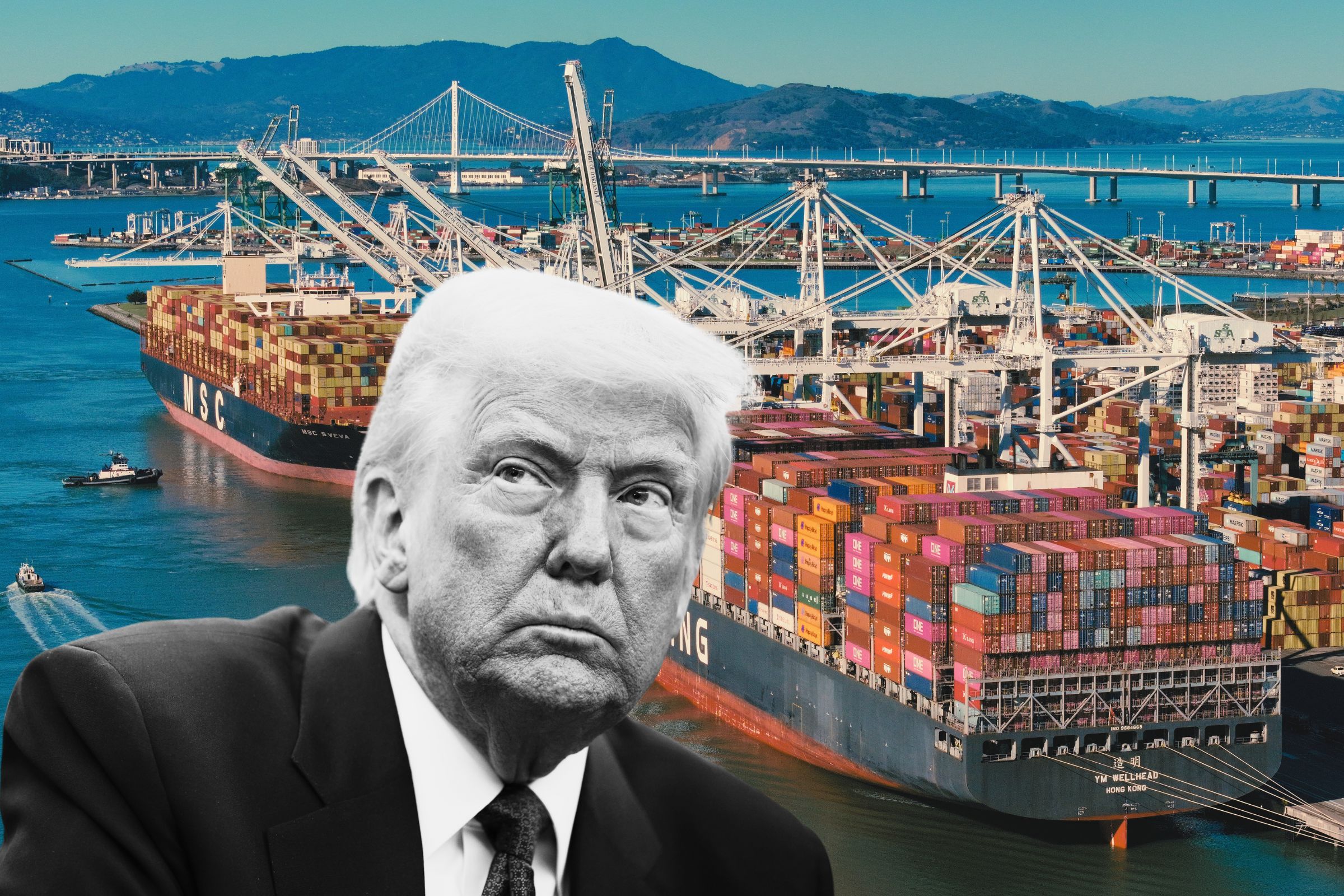
President Trump's reciprocal tariffs on dozens of countries took effect on Wednesday.
The new duties were announced last Wednesday in a speech at the White House Rose Garden, and are in addition to the flat, 10 percent tariff the president placed on all global imports which began on Saturday.
According to the administration, the measure will correct longstanding global trade imbalances that have disadvantaged the U.S. and motivate companies to relocate their manufacturing operations back to the country.
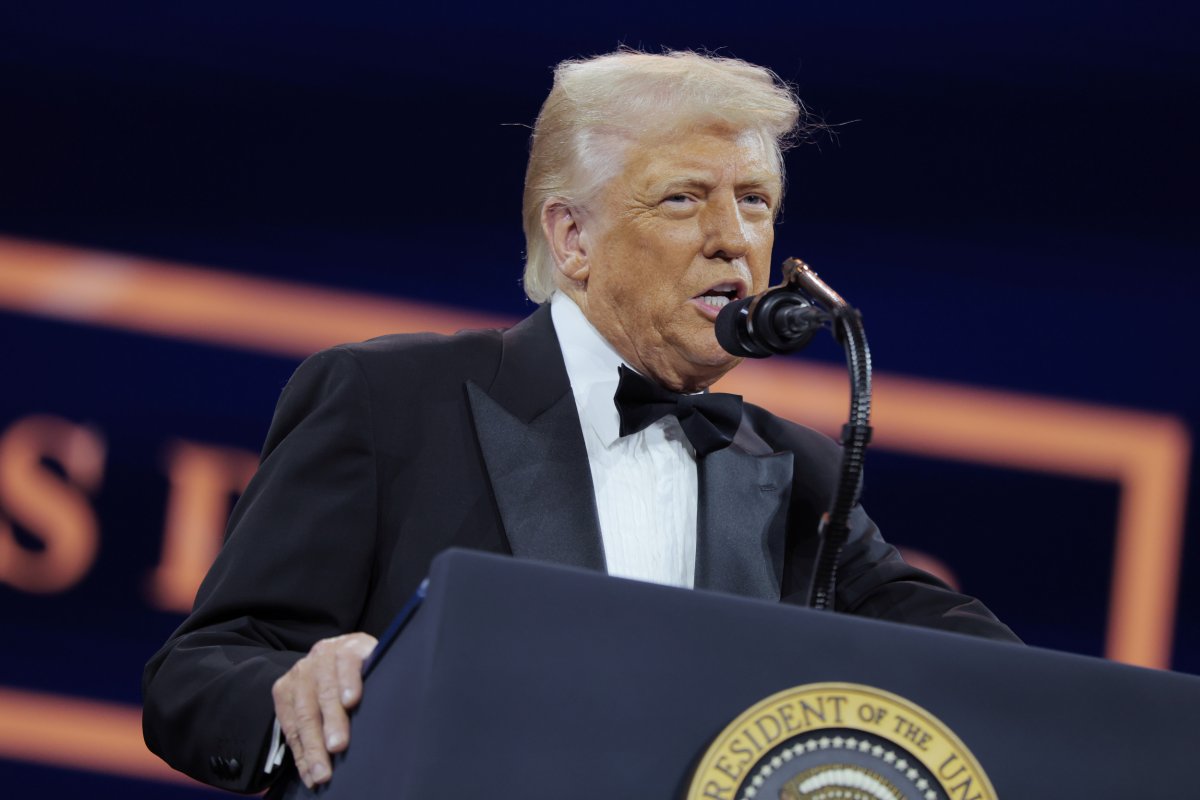
Since Trump's announcement, several countries have been angling for trade talks with the administration in the hopes of reducing the rates at which their exports will be taxed—including a 20 percent tariff on goods from the European Union; 25 percent on South Korean imports; and 24 percent on Japanese imports.
China, meanwhile, has responded with its own tariffs and vowed to "fight till the end," raising concerns of a prolonged trade conflict.
This is a developing story and will be updated with additional information.
