
China tests US ally in disputed waters
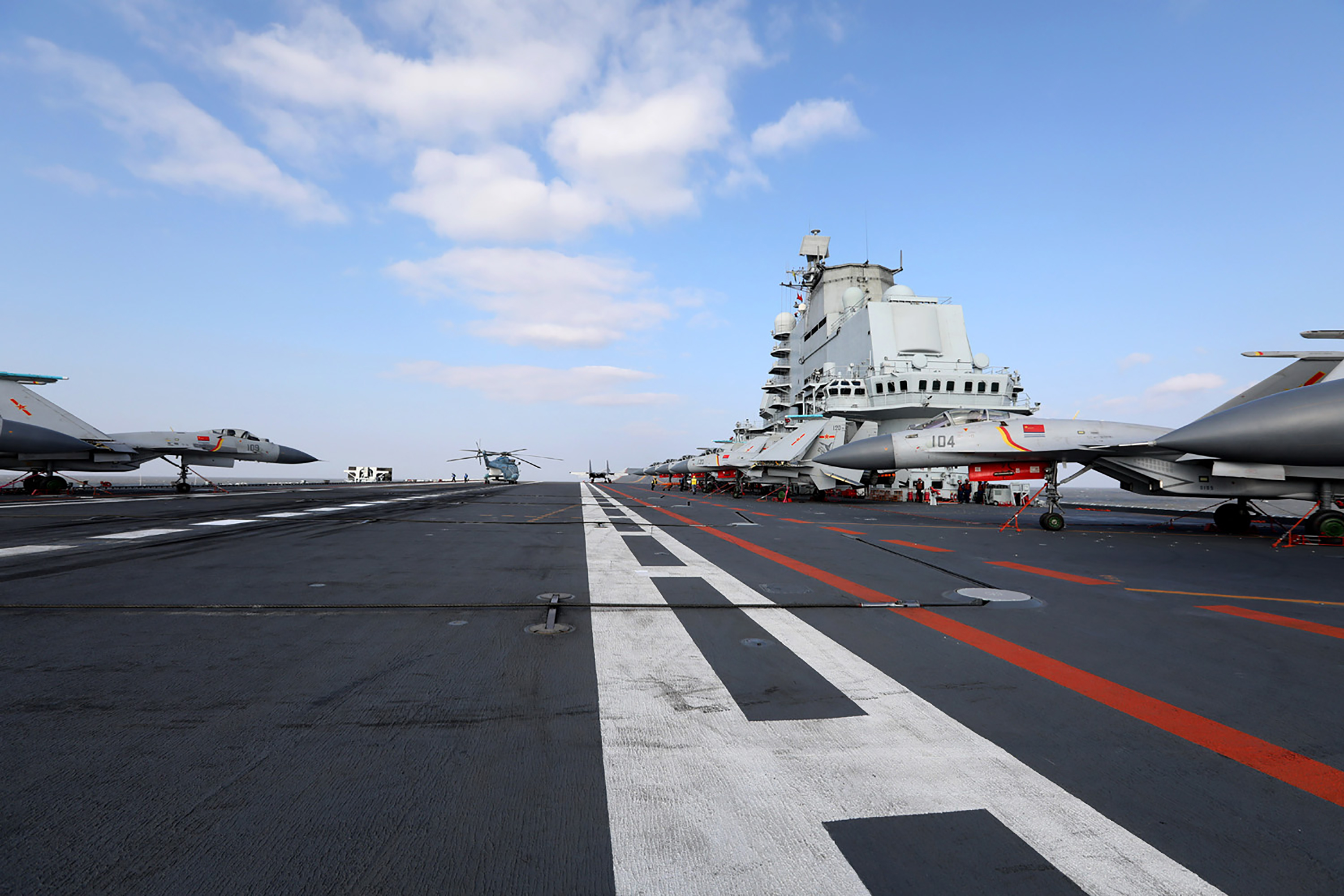
South Korea—a United States ally in Northeast Asia—has voiced its concerns over China's unilateral declaration of "no-sail zones" in the disputed waters between the two countries.
Newsweek has emailed the Chinese and South Korean foreign ministries for comment.
Why It Matters
Newsweek previously reported that China declared three zones banning the entry of ships within the Yellow Sea's Provisional Measures Zone (PMZ), an area established under a 2000 agreement where the Chinese and South Korean Exclusive Economic Zones (EEZs) overlap.
These Chinese "no-sail zones" have been in effect since Thursday and are scheduled to end on Tuesday. Two were designated for military exercises, while no reason was assigned for the third—located entirely in South Korea's EEZ—although ships were still prohibited from entering it.
This comes as China has installed three structures in the PMZ, which South Korea fears could mark the beginning of Chinese territorial expansion. Beijing is also being accused of "militarizing" the Yellow Sea by maintaining a persistent naval presence there.
What To Know
Citing a text message from an official at the South Korean Foreign Ministry, the country's Yonhap News Agency reported on Saturday that Seoul has conveyed its concerns to Beijing over a Chinese "no-sail zone" in the PMZ through unspecified diplomatic channels.
It was not immediately clear which of the Chinese "no-sail zones" Seoul was referring to. While the South Korean official admitted that both nations are permitted to carry out military drills in the PMZ, he claimed that China's move "excessively" limited freedom of navigation.
The South Korean military also told Yonhap News Agency that it was "closely" monitoring a series of moves by China in the PMZ, while adding that it could not make representations regarding military activities carried out by China or other countries in international waters.
The report also noted that South Korea, which has often conducted war games with the U.S., previously declared a "no-sail zone" in the same waters for drills, setting a precedent.
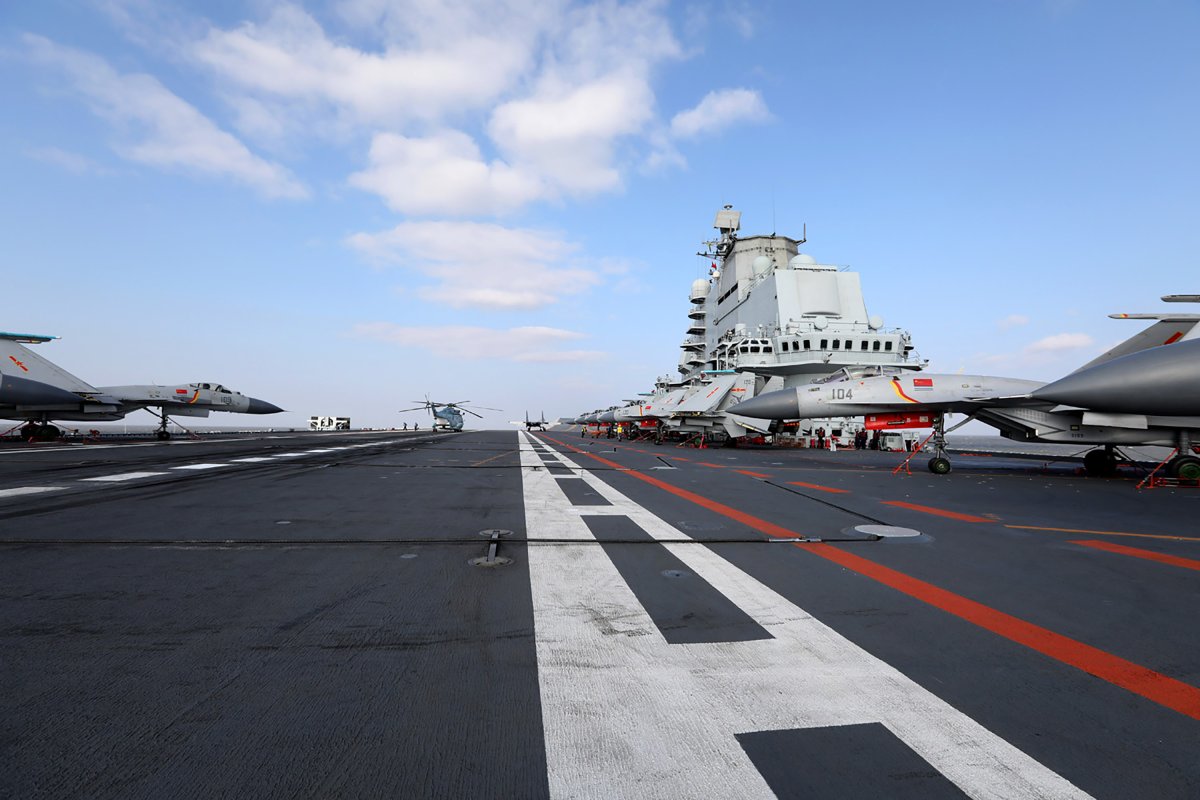
Meanwhile, the Chinese aircraft carrier CNS Liaoning has arrived in waters near Japan's southwestern islands after a southward voyage from its home port on China's Yellow Sea coast over the weekend. It remains unclear whether the ship transited the "no-sail zones."
What People Are Saying
A South Korean Foreign Ministry official said: "The government will continue to actively respond in close cooperation with related ministries to ensure that our legitimate rights and interests are not violated."
Guo Jiakun, spokesperson for the Chinese Foreign Ministry, previously said in translated comments provided by China's Ministry of Foreign Affairs: "I would like to point out that what China set up in the provisional measures zone (PMZ) are the aquaculture facilities. And relevant activities of China are consistent with China's domestic law and international law."
What Happens Next
It remains to be seen whether South Korea will enhance its naval presence in the PMZ or conduct any exercises to assert its EEZ in response to China's "no-sail zones."