
Are Shein and Temu prices going up amid Trump's tariffs? What to know
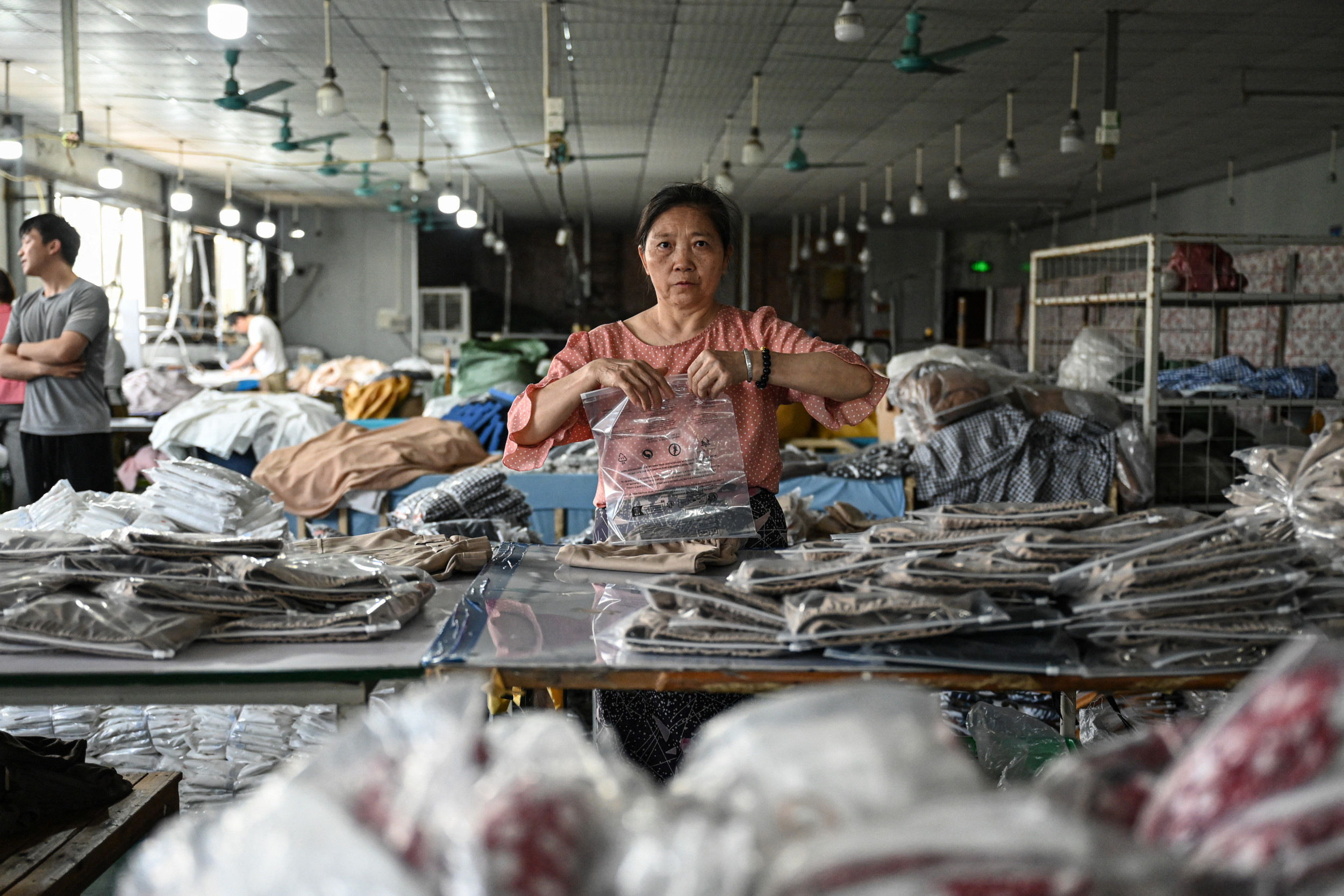
Chinese-founded e-commerce giants Temu and Shein announced plans to raise prices for U.S. customers beginning next week, citing rising operating costs linked to sweeping new trade policies enacted by President Donald Trump.
The price hikes, set to take effect on April 25, follow the administration's decision to impose a 145 percent tariff on goods shipped from China, as well as the elimination of a customs exemption that allowed goods valued under $800 to enter the country duty-free.
Temu, owned by China's PDD Holdings, and Shein, now headquartered in Singapore, issued nearly identical statements on their websites, pointing to "recent changes in global trade rules and tariffs" as the reason for the increases. While neither company specified how steep the price hikes will be, they both acknowledged that the rising costs are pressuring their business models.

"We're doing everything we can to keep prices low and minimize the impact on you," Temu said in its notice. "We've stocked up and stand ready to make sure your orders arrive smoothly during this time."
The two fast-growing e-commerce platforms have disrupted the U.S. retail landscape by offering ultra-low-cost goods and saturating social media with influencer marketing. Their business models heavily relied on the now-axed "de minimis" trade provision, which allowed up to 4 million low-value packages—many from China—to enter the U.S. daily without incurring duties. Trump's executive order ending that provision, effective May 2, has drawn praise from U.S. lawmakers, business groups, and law enforcement, who argue it was a loophole used to undercut American companies and funnel counterfeit goods and illicit drugs into the country.
"Shein and Temu have built their empires on an unfair advantage," said Rep. Mike Gallagher (R-WI). "Ending the de minimis exemption is a win for American workers and for national security."
Shein primarily sells inexpensive fashion, cosmetics, and accessories to younger consumers, while Temu offers a broader selection, including home goods, quirky gifts, and gadgets. In response to the growing popularity of these platforms, Amazon last fall launched its own low-cost storefront, offering similar products under $20—many appearing to mirror the styles found on Shein and Temu.
As prices rise, both companies are urging shoppers to make purchases before the new tariffs take hold.
"Now is the time to stock up," Shein's notice read. "We appreciate your understanding during this transition."
Reporting by the Associated Press contributed to this story.
This is a developing news story and will be updated with additional information.